ASCP · $450 each
5 scholarships
API Security Certified Professional
apisec|con 2026 · Fall edition · 45 cert scholarships
One afternoon, no vendor pitches. Practitioners on what changes when the code is written by models and the traffic is generated by agents.
Free, and every session is on demand afterwards. Registration is handled on our event platform, which sends your calendar hold, the reminder the week of, and the join link on the day.
Registration is processed by RingCentral Events. No sponsor list sharing.
Cert Alert scholarships
$12,250 in apisec University certification scholarships, drawn at random during the closing session. A scholarship covers the certification fee. The rest is up to you: these certifications take serious study time and real expertise to earn, which is why they carry weight.
ASCP · $450 each
API Security Certified Professional
ACP · $250 each
APIsec Certified Practitioner
New · AISA · $250 each
AI Security Analyst, our newest certification covering MCP, LLM and AI security. Launches January 2027; scholarships are redeemable at launch.
To be eligible, stay logged in from 12:00 PM ET to the close at 4:45 PM ET. Plus a surprise giveaway for every attendee still with us when we close.
No purchase necessary. Eligibility requires being logged in to the event from start to finish, as recorded by our event platform. Void where prohibited.
Why this year
AI did not add a new category to application security. It changed the volume, the authorship, and the identity of everything already in it. Three shifts are driving this year's program.
Shift 01 · Authorship
Assistants ship endpoints faster than review can absorb them. The generated controller handles input validation well and object-level authorization badly, because authorization is context the model never had. Broken object-level authorization was already the top API risk. Now it scales.
Shift 02 · Identity
Agents, tool-calling frameworks, and MCP servers authenticate as service accounts with standing privileges and no session. Non-human identities now outnumber human ones in most environments, and almost none of them have an owner, a rotation schedule, or a scope anyone can justify.
Shift 03 · Volume
Automated discovery maps an undocumented endpoint in minutes. Rate limits tuned for humans are trivial for agents. Detection has to work on behavior across a session, not on a signature in a single request.
Agenda · Wednesday, October 21
All times Eastern. One track, live, with every session available on demand afterwards.

Audience: AppSec engineers, DevSecOps teams, red teamers, and open source maintainers who want application security coverage without stitching together five separate tools.
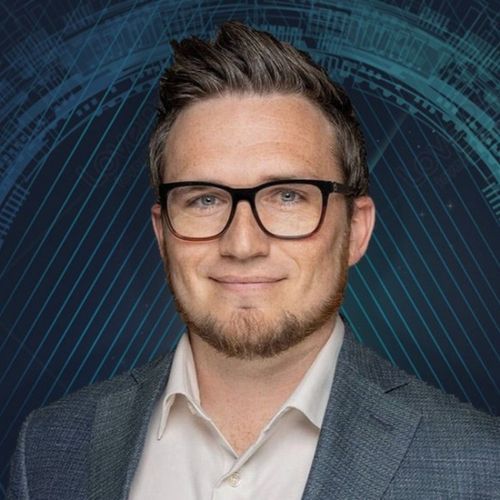
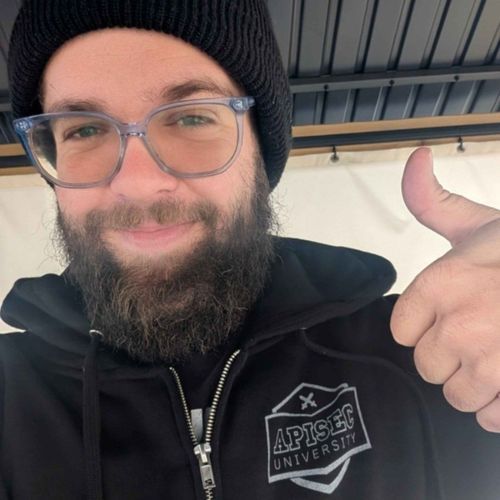
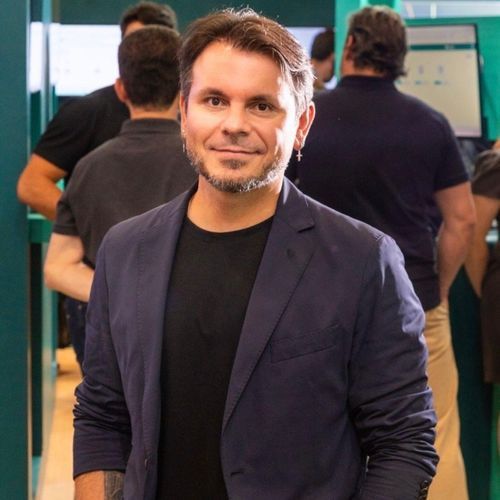
DrogonSec is an open source, Go-based scanner that combines SAST, SCA, secrets detection, and Infrastructure as Code analysis in a single engine. It is the successor to Horusec. Findings map to the OWASP Top 10:2025 and align with MITRE ATT&CK, so results speak the language of both developers and security teams. An optional AI-assisted layer, running on local models through Ollama, suggests remediation without sending code to a third party.
The session shows how the engine is built, why a unified scanner changes triage, and how it plugs into GitHub Actions pipelines under an Apache 2.0 license.
What you will learn:
Who this is for: API security engineers, pentesters and the platform teams who now review code an agent wrote against APIs an agent called.
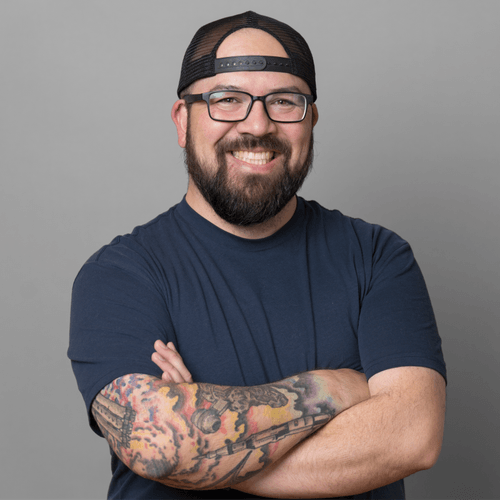
Most of the code in my repos right now was written by a coding agent. I'm guessing yours is heading the same way. Every one of those sessions ends, and when it does, whatever the agent figured out about your API goes with it. Which endpoint has to be called before that other one. Which field is actually required. Which call returns a 200 and does nothing. That used to be tribal knowledge, and at least you could walk over and ask Joe. Now there's no Joe. There's a diff, and nobody who remembers why.
I spent this summer running hundreds of agent sessions against real APIs, with real credentials, trying to prove the idea was worthless. I kept score. Some of it went against me and I'll show that part too. The short version: an agent builds on whatever context is sitting in front of it. Stale, wrong, or put there by someone else, it doesn't check. And it never goes looking for anything that isn't in front of it. For API security that's the whole game. The context an agent had when it wrote the code is the thing you need to review, and today nobody keeps it.
I'll walk through what an agent's API context actually looks like, where it comes from, the ways I watched it go wrong, and what that changes about reviewing agent-written API code. Then I'll show what I'm building to fix it: Sannr, an open source API client that keeps what agents learn about your APIs verified against the live API and committed with the code, so the next agent, and the next reviewer, gets it.
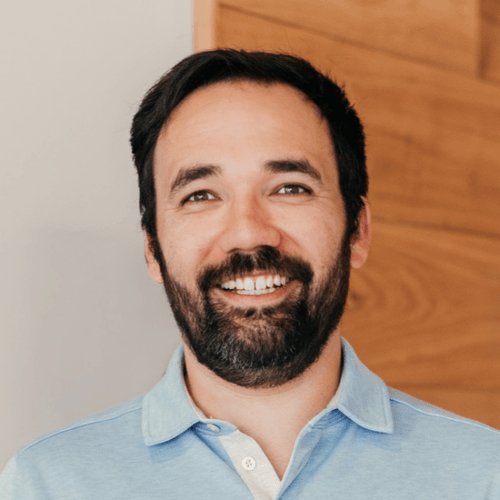
AppSec and GRC teams don’t always get along, but we should. We’re all working towards the same goal (securing the company so it can work better), so why is it sometimes so hard to work with each other?
I think it’s simply because we don’t understand how the other side solves problems, or in other words, we look at risk differently. Bring your thoughts, questions, and observations as we explore this conundrum together.
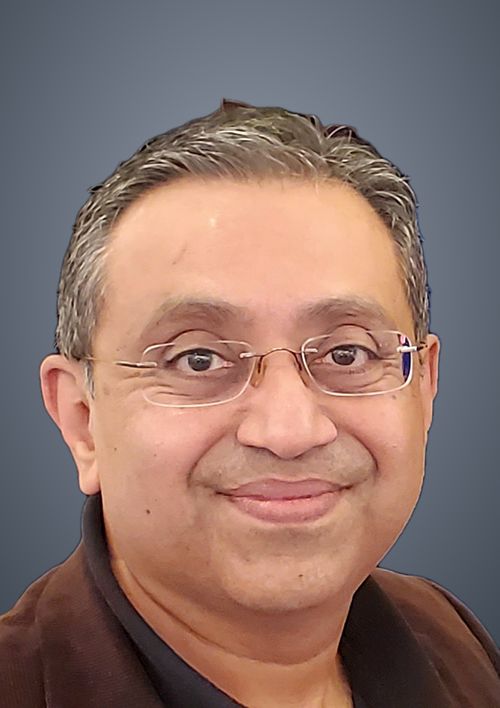
Most AppSec programs aren't short on scanners. They're short on capacity, context, and evidence: inventories nobody trusts, backlogs nobody can read, “critical” findings that don't matter, and board reports that answer the wrong question. AI changes that equation, but only if it's run as a governed program rather than another tool.
This topic lays out a practical blueprint for using Claude across the AppSec lifecycle: Know your API estate, Set standards developers will use, Find & Fix logic flaws scanners miss, Prioritize by exploitability rather than severity, and Prove progress to boards and examiners. This topic addresses what most AI talks skip: the agent itself is now a privileged identity in your environment and part of your attack surface. That means governing it with least privilege, human approval, prompt-injection defenses, and clear accountability.
No demo, no code. You'll leave with a 90-day plan, an agent risk register, and five metrics to take back to your CISO.
For the last 30 years, application security champions have found vulnerabilities and politely requested a few fixes when they needed thousands. Today, AI can generate security fixes at the speed of find. But maintainers still need evidence that a vulnerability is real and that a proposed patch is safe, focused, and useful.
OWASP OASIS adds a community validation layer between fix automation and maintainers to secure open source at scale. This talk shows how OASIS works and what lessons can be learned from its process.
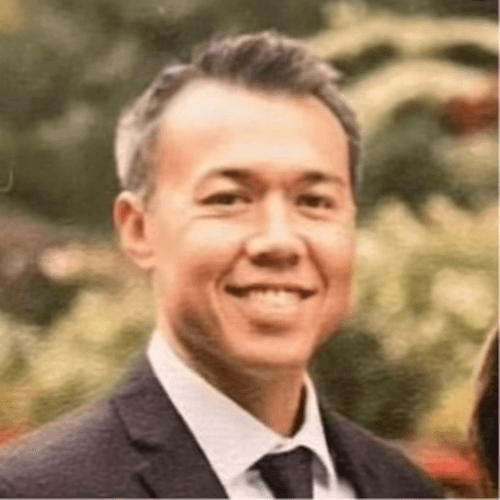
Most organizations hesitate to report a cyber incident because they don’t know what happens next. Will agents take the servers? Will it become public? Who’s in charge? FBI Special Agent David Dahle, the Bureau’s private-sector coordinator in San Francisco, answers those questions directly.
He’ll cover what today’s FBI looks like, what it works on, and the priorities driving its cyber program. Then he’ll walk through what actually happens when an organization reports an incident, and the FBI resources available to public- and private-sector teams before anything goes wrong.
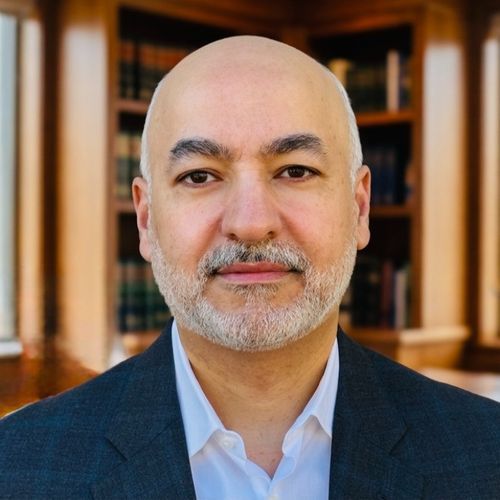
Frontier models like Mythos have changed the attacker's economics. Finding vulnerabilities, writing exploits and launching thousands of agents now costs very little, and open-weight models with similar cyber capability are close behind, running on attackers' own hardware where no vendor safeguard or monitoring applies. Defenders cannot answer that by patching faster.
Former Charles Schwab CISO Bashar Abouseido makes the case for “hyper defense”: using AI across every part of security, building continuous context about what findings mean, and focusing scarce engineering time on what is exploitable.

Shania Fu has spent her career building the platforms development teams rely on every day, and along the way, application security outcomes landed on her plate too. That vantage point reveals things security teams often miss. Modern applications are assembled at runtime from services, libraries, configuration and infrastructure, so scanning the repo tells only part of the story. And the flaws that hurt most, like one user seeing another user’s data or skipping a step in a workflow, rarely show up in code alone.
In this fireside chat, Shania talks through what static tools miss, what noisy findings really cost engineering teams, how proof of exploitability changes prioritization, and how to build testing into the platform so teams don’t route around it. She’ll close with what AI-powered attackers and AI agents inside applications mean for AppSec, and what she’d start doing on Monday.
Track record
Past apisec|con speakers include
Prior editions have drawn practitioners from Kong, Akamai, Ford, Costco, and Axis Bank.
Wednesday, October 21
Registration is open now. Stay start to finish for a chance at one of 45 certification scholarships. Can't make it live? Register anyway and the recordings come to you.